Tracing Interlinked Wallet Verification Protocols With Seasonal Reward Cycles in Cross-Border Athletic Prediction Networks
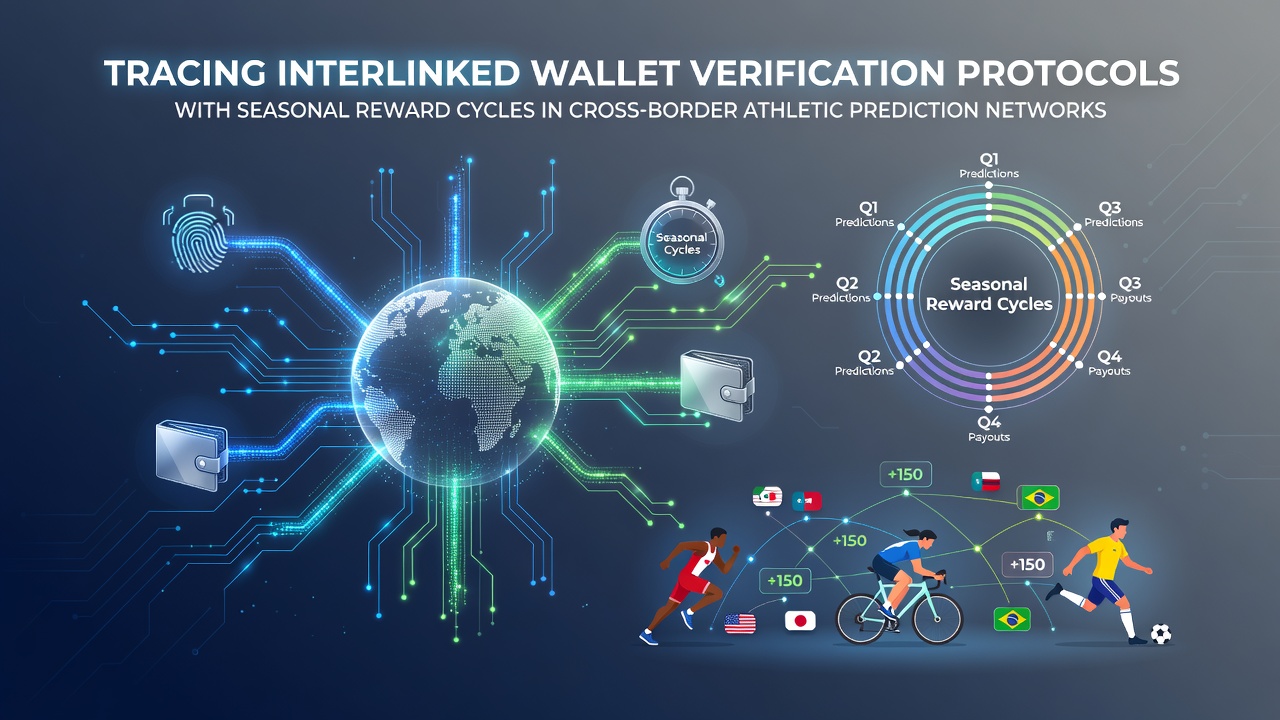
Interlinked wallet verification protocols form the backbone of many cross-border athletic prediction networks that handle user accounts and reward distributions through layered blockchain checks, and these systems operate by confirming transaction histories across multiple jurisdictions while syncing with seasonal reward cycles that adjust based on event calendars in sports forecasting platforms.
Core Mechanics of Wallet Verification Protocols
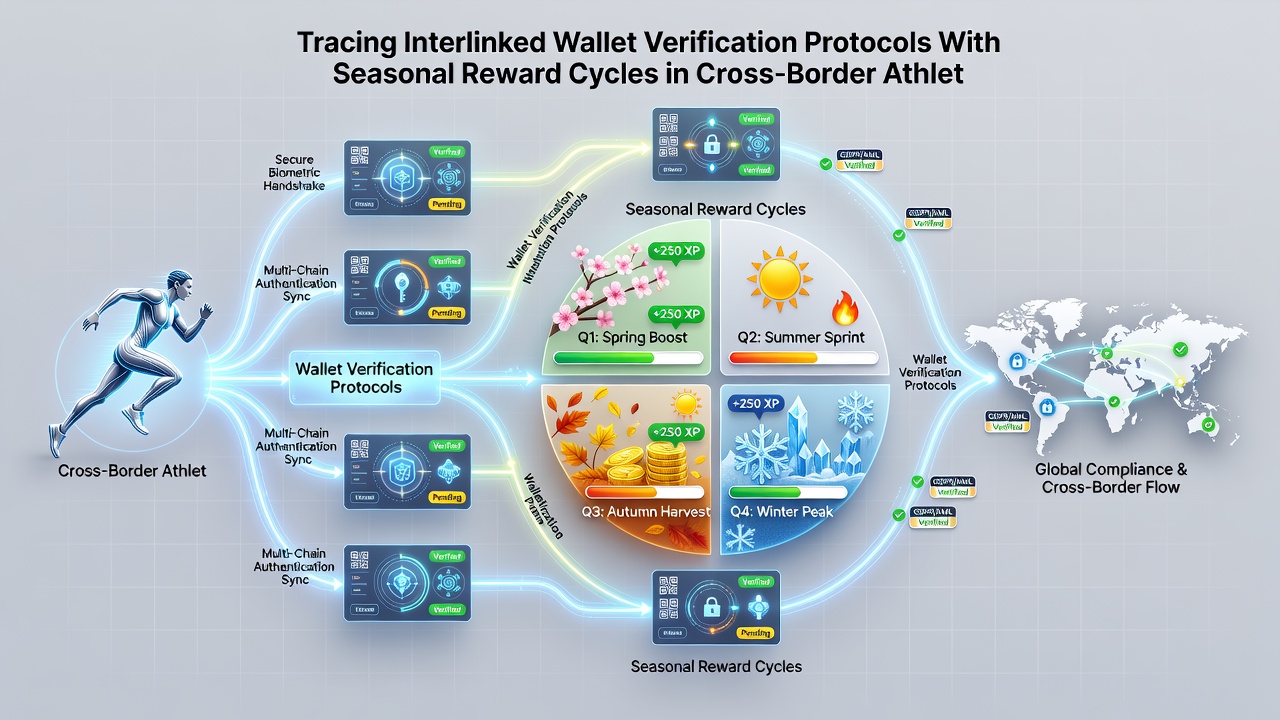
Verification begins when users initiate transfers into prediction accounts, at which point the protocol scans wallet addresses against known compliance databases and cross-references them with prior activity logs from different regions. Researchers at various institutions have documented how these checks incorporate multi-signature requirements and time-stamped attestations that prevent reuse of flagged addresses across borders, while seasonal reward cycles layer on top by releasing bonus allocations only after verification clears during specific athletic seasons such as summer football tournaments or winter basketball leagues.
Data from regulatory filings shows that in August 2026 several platforms reported increased verification volumes tied to major international events, and the interlinking occurs through shared ledgers that allow one network's approval to inform another's risk scoring without exposing full user details.
Seasonal Reward Cycles and Their Integration
Seasonal reward cycles operate on fixed calendars aligned with athletic calendars, releasing incentives like boosted prediction odds or token allocations once verification protocols confirm eligibility. Observers note that these cycles often reset quarterly or align with major tournaments, and the protocols ensure rewards flow only to wallets that pass ongoing monitoring for suspicious patterns such as rapid cross-border movements.
Figures from industry reports indicate that integration reduces processing times because verified wallets carry forward their status into new cycles, yet any new transaction triggers a fresh scan to maintain compliance across participating countries. One study revealed that platforms using these interlinked systems saw reward claim rates rise when cycles coincided with high-profile athletic matches, because users who maintained clean verification histories received automatic eligibility flags.
Cross-Border Implementation Patterns
Implementation varies by region because different regulatory frameworks dictate the depth of verification required before rewards activate. In North America operators coordinate with bodies like the Alcohol and Gaming Commission of Ontario to align protocols with local standards, whereas European networks reference guidelines from the European Gaming and Betting Association to handle similar interlinks. This creates a patchwork where a wallet verified in one jurisdiction may still need supplemental checks when entering another, yet the seasonal cycle itself remains consistent across the network.
Turns out the interlinking reduces duplication because once a protocol establishes a baseline trust score, subsequent cycles reference that score rather than restarting the entire process. Platforms active in August 2026 demonstrated this efficiency during peak summer athletic seasons, when reward distributions scaled without proportional increases in verification delays.
Technical Synchronization and Data Flows
Technical synchronization relies on encrypted channels that pass verification tokens between networks, allowing reward engines to query status without pulling raw wallet data. Experts have observed that these tokens expire at the end of each seasonal cycle, forcing fresh confirmations that catch any changes in user behavior or regulatory status. The process incorporates real-time feeds from athletic event databases so that reward eligibility aligns precisely with match schedules rather than arbitrary dates.
Case examples include networks that adjusted reward timing after major tournaments concluded, and data shows that interlinked protocols handled millions of additional verifications during those periods without system overload. What's interesting is how the same infrastructure supports both high-volume reward drops and routine daily verifications, because the seasonal layer simply prioritizes certain address cohorts once they clear baseline checks.
Conclusion
Tracing these protocols reveals a system built on layered checks that balance compliance needs with timely reward distribution across borders. Seasonal cycles provide the timing framework while interlinked verifications supply the security backbone, and together they enable athletic prediction networks to scale operations into new regions. As August 2026 data continues to emerge, patterns indicate that further refinements in token synchronization will likely tighten the connection between verification status and reward access.