Tracing Behavioral Data Influences on Customizing Athletic Event Prediction Incentives Across Borders

Platforms that handle athletic event predictions have turned to behavioral data streams to shape incentive structures, and this practice has gained momentum as operators expand into new jurisdictions during August 2026. Analysts track user interactions such as login frequency, prediction accuracy rates, and session durations, then feed those metrics into algorithms that adjust bonus offers, odds boosts, and loyalty rewards on a per-user basis.
Data Sources Driving Incentive Design
Operators collect information from mobile app telemetry, transaction histories, and social sharing patterns while complying with local data protection rules, and researchers note that these inputs allow platforms to segment audiences into cohorts based on risk tolerance and engagement levels. Data from the Australian Competition and Consumer Commission indicates that cross-border operators must reconcile differing consent standards before merging datasets from multiple countries, which leads teams to deploy federated learning models that keep raw information localized yet still permit aggregated insights.
Clickstream analysis reveals how long users linger on specific event markets, and this detail helps refine reward timing so that incentives appear when engagement metrics dip. Studies from academic institutions show that such timing adjustments correlate with higher retention rates across European and Asian markets, although regulatory hurdles often require anonymization steps before any transfer occurs.
Regional Variations in Customization Approaches
European operators emphasize transparency around data usage because GDPR frameworks mandate clear disclosure, whereas platforms targeting Latin American users focus more on real-time personalization tied to local sporting calendars. In North America, state-level rules influence how prediction incentives can reference past user behavior, which forces developers to create modular systems that toggle features on or off depending on the user's detected location.
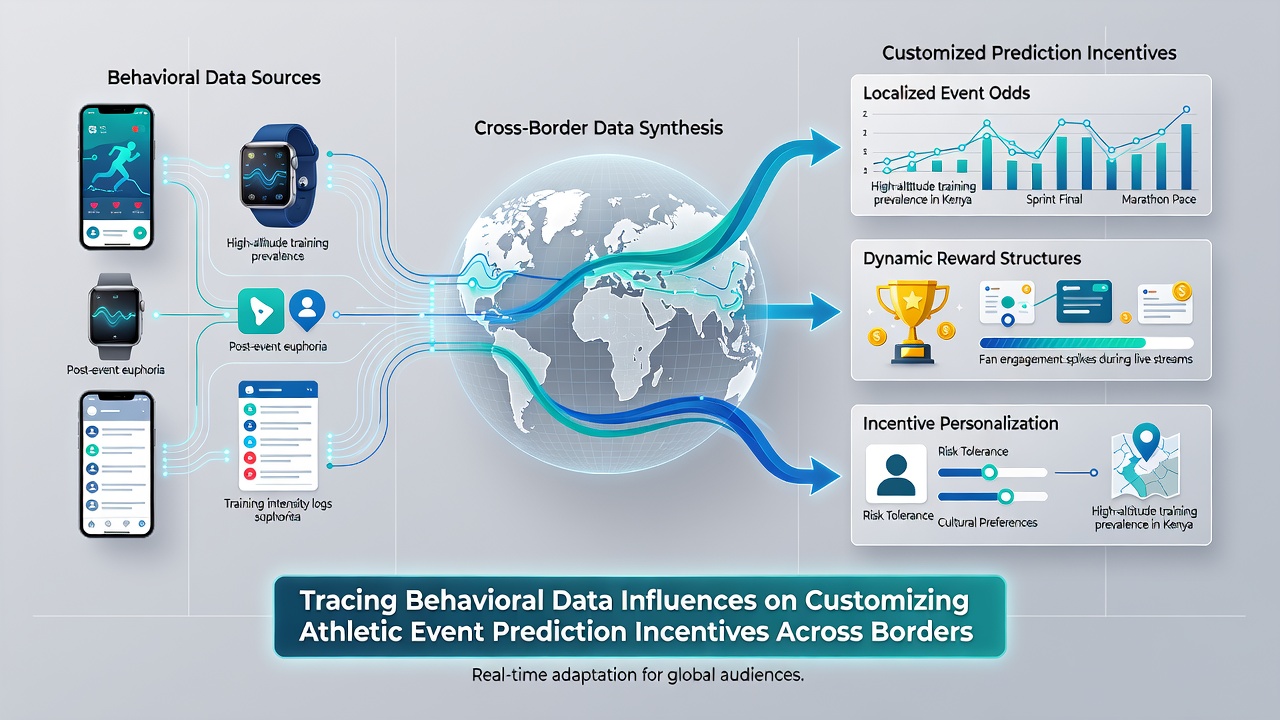
Observers note that these modular designs rely on geofencing combined with behavioral signals, and the combination lets platforms deliver tailored free predictions or stake credits without violating territorial restrictions. Reports from the Alcohol and Gaming Commission of Ontario highlight that Canadian operators have refined these systems to incorporate provincial play limits, resulting in incentive offers that automatically scale based on a user's historical spend patterns.
Technical Implementation Across Borders
Engineers build pipelines that normalize behavioral signals from disparate sources, and this normalization step becomes critical when prediction platforms operate under multiple currencies and languages simultaneously. Machine learning models trained on regional datasets predict which incentive types will drive participation, yet the models must undergo periodic retraining to account for seasonal events like major tournaments that shift user activity globally.
Cross-border data sharing agreements facilitate limited exchange of aggregated metrics, and such agreements often include audit clauses that satisfy both home and host country regulators. Industry reports document cases where synchronization of these metrics improved conversion rates for prediction bonuses by aligning offer delivery with peak activity windows in each market.
Regulatory and Ethical Considerations
Authorities in several jurisdictions now require impact assessments before behavioral data can influence incentive structures, and these assessments examine whether customization might inadvertently target vulnerable groups. Platforms respond by embedding fairness checks into their algorithms, which scan for disproportionate offer distribution across demographic slices derived from self-reported or inferred attributes.
International bodies continue to develop guidelines that balance innovation with consumer protection, and operators track these developments closely to maintain compliance while expanding services. Evidence from multi-country deployments shows that transparent data policies correlate with sustained user trust, even as incentive personalization grows more sophisticated.
Conclusion
Behavioral data continues to shape how athletic event prediction incentives are tailored across borders, and the technical and regulatory frameworks supporting this customization keep evolving. Platforms that integrate localized compliance with global analytics pipelines maintain operational flexibility, while ongoing research informs best practices for responsible deployment. The interplay between data granularity and jurisdictional requirements remains central to future developments in this space.