Patterns Emerging from User Analytics in Designing Portable Casino Incentives for Live Events

Analysts tracking mobile gambling sessions during live events have identified recurring behavioral clusters that shape how operators structure time-limited incentives, and these clusters emerge most clearly when location data intersects with session duration metrics across multiple venues. Data collected from portable platforms shows that users who engage within the first 15 minutes of an event tend to respond to micro-bonuses tied to real-time odds updates, whereas later arrivals favor cumulative reward ladders that build across several hours.
Session Timing and Location Triggers
Patterns surface when operators cross-reference GPS signals with in-app activity logs, revealing that users at outdoor sports venues activate incentives at higher rates during intermissions than during active play periods, and this timing holds steady across both U.S. and European markets. Research from the American Gaming Association indicates that portable incentive redemptions peak between 45 and 60 minutes after initial login when events occur in stadium settings, while indoor concert environments produce steadier engagement curves that stretch over two-hour windows.
Operators have adjusted bonus structures accordingly, shifting from flat deposit matches to staggered credit releases that unlock only after users complete location-verified check-ins at specific event zones, and these adjustments appear in deployment logs from July 2026 onward.
Device and Payment Pattern Correlations
User analytics further reveal that participants accessing incentives through tablet devices maintain longer average session lengths than those on smartphones, yet smartphone users convert bonus offers at higher frequencies when the offers integrate directly with digital wallet transfers. Figures from the Australian Communications and Media Authority show that cross-border live events in the Asia-Pacific region record elevated redemption rates when incentives require a single-tap confirmation rather than multi-step verification flows.
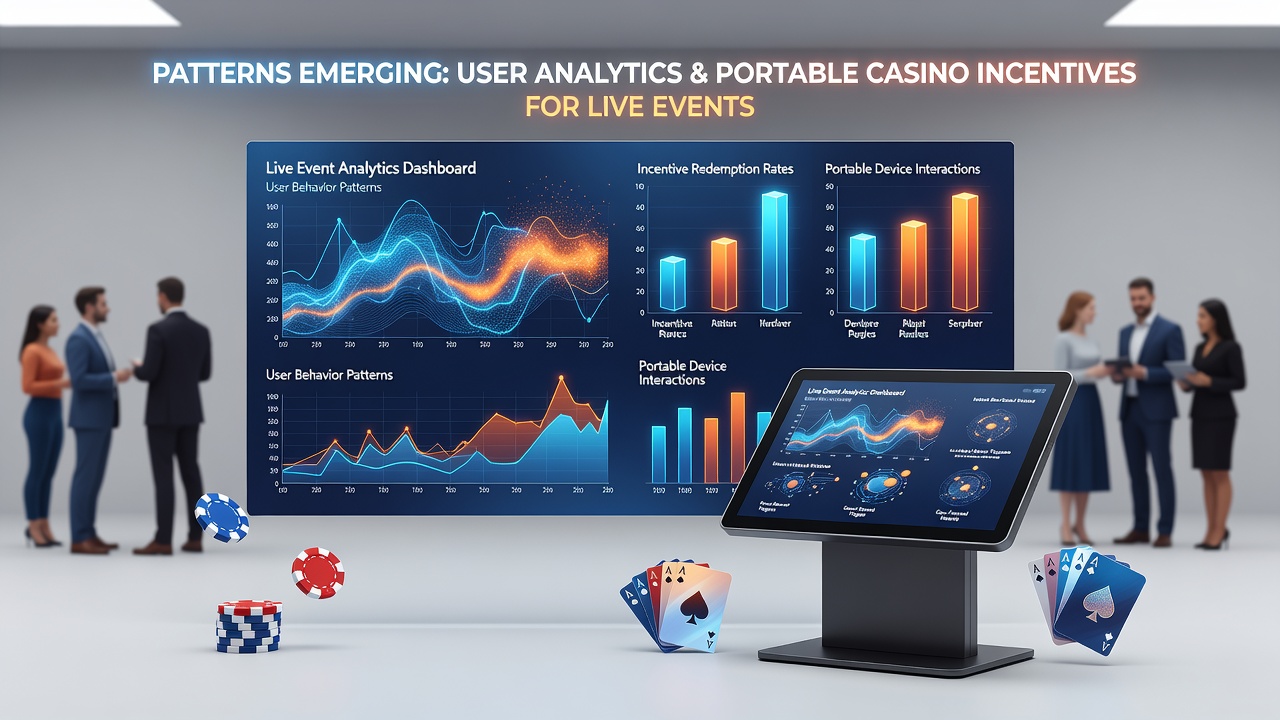
Payment method preferences also cluster predictably: users who fund accounts via instant bank transfers activate portable bonuses more quickly at live events than those relying on card-based deposits, and this distinction guides operators when they calibrate minimum play-through requirements for event-specific promotions.
Behavioral Segmentation Across Event Types
Segmentation models built from aggregated data distinguish between high-frequency event attendees and occasional participants, with the former group demonstrating stronger responses to loyalty multipliers that carry over from one venue to another, while the latter group engages more readily with one-off time-bound credits. Observers note that these segments produce distinct heat maps when plotted against event calendars, allowing designers to pre-load incentive variants that match expected attendee profiles at upcoming fixtures.
Analytics platforms now incorporate predictive layers that flag when a user's historical pattern deviates from the event norm, triggering customized offers that realign the incentive structure mid-session without requiring manual intervention from support teams.
Integration with Real-Time Event Data
Portable systems increasingly merge user analytics with live event feeds, so that score changes or performance milestones automatically adjust available incentives for nearby account holders, and this synchronization produces measurable lifts in engagement during high-stakes moments. Records maintained by regulatory bodies in multiple jurisdictions confirm that such dynamic adjustments remain within approved parameters when they rely solely on anonymized aggregate triggers rather than individual profiling.
Those who've studied deployment logs across North American and European markets report that the most stable patterns involve incentive layering, where base rewards combine with event-specific multipliers only after users reach defined activity thresholds, reducing the incidence of early-session drop-offs.
Conclusion
Analytics continue to refine the parameters operators use when constructing portable incentives for live events, with timing, device type, payment behavior, and attendee segmentation forming the core variables that determine offer architecture. As data collection methods advance through 2026, these emerging patterns provide the factual foundation for ongoing adjustments to incentive design across portable platforms.