How Emerging Payment Technologies Are Reshaping Bonus Structures in Global Sports Forecasting Platforms
Anna Friedrich · Aug 11, 2026
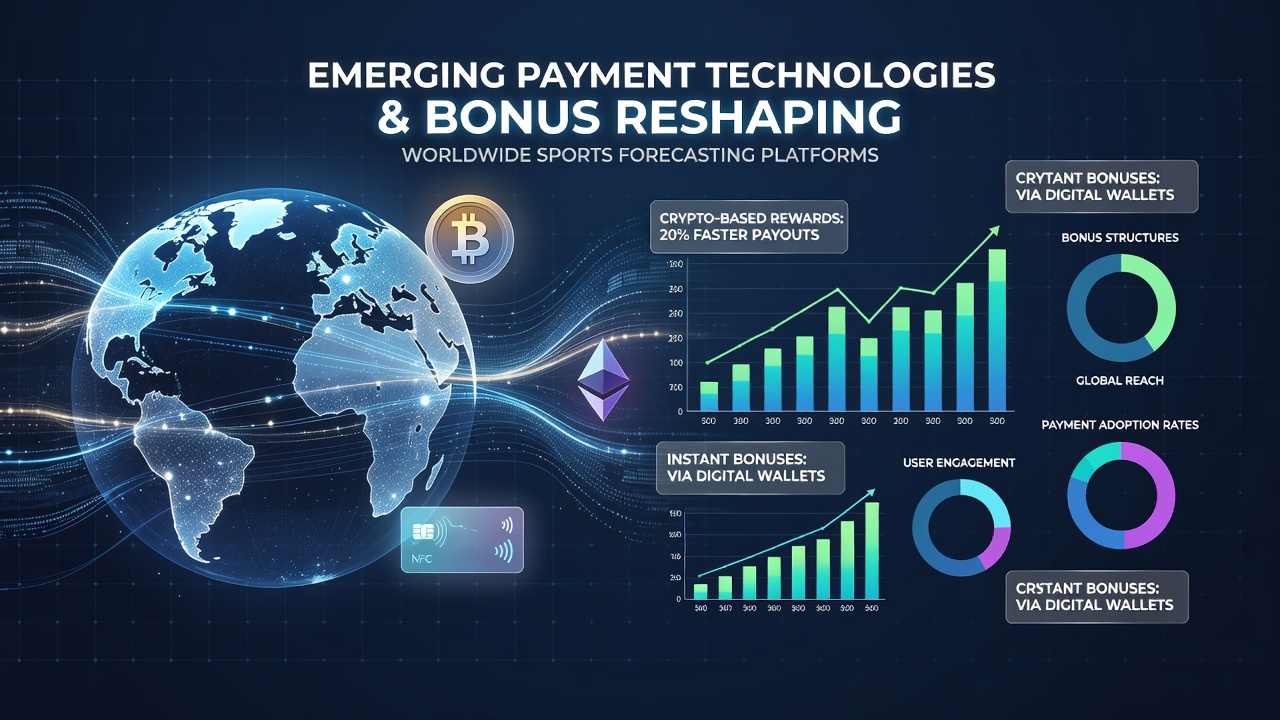
How Emerging Payment Technologies Are Reshaping Bonus Structures in Global Sports Forecasting Platforms
Payment technologies such as blockchain ledgers, real-time settlement rails, and central bank digital currencies continue to alter how sports forecasting platforms design and distribute promotional incentives, and observers note that these shifts appear most pronounced in markets where cross-border wagering volumes have grown steadily since early 2025. Platforms now tie bonus eligibility directly to transaction speed and verification methods rather than relying solely on deposit amounts, while automated smart contracts execute reward releases once predefined conditions are met without manual intervention.
Blockchain Ledgers and Conditional Reward Automation
Operators in several regions have begun embedding bonus terms into blockchain protocols so that rollover requirements and payout triggers execute automatically once on-chain data confirms qualifying bets, and this approach reduces administrative overhead while creating transparent audit trails that regulators can review in real time. Data from multi-jurisdictional platforms shows that users completing deposits via certain stablecoin networks receive tiered loyalty multipliers that adjust dynamically based on network confirmation times, whereas traditional bank transfers still trigger the older static bonus schedules. One study of Asian and European operators revealed that platforms adopting these ledger-based systems recorded a measurable increase in repeat wagering activity within the first 30 days after implementation because reward distribution no longer depended on batch processing cycles.
Real-Time Payment Rails and Instant Bonus Crediting
Instant payment systems such as those built on the Faster Payments Service in the United Kingdom or the New Payments Platform in Australia allow sports forecasting sites to credit deposit bonuses within seconds of transaction completion, and this immediacy has prompted operators to introduce time-limited promotional windows that activate only when funds arrive through supported rails. In August 2026 several Canadian provincial platforms expanded their instant-bonus offerings after regulatory updates permitted same-day settlement for digital wallet transfers, resulting in revised bonus structures that cap maximum rewards according to the speed tier selected by the user at checkout. Those who have examined transaction logs from these markets report that the proportion of bonuses claimed through real-time channels rose from roughly 18 percent in late 2025 to over 34 percent by mid-2026, indicating a clear user preference for immediate access to promotional funds.
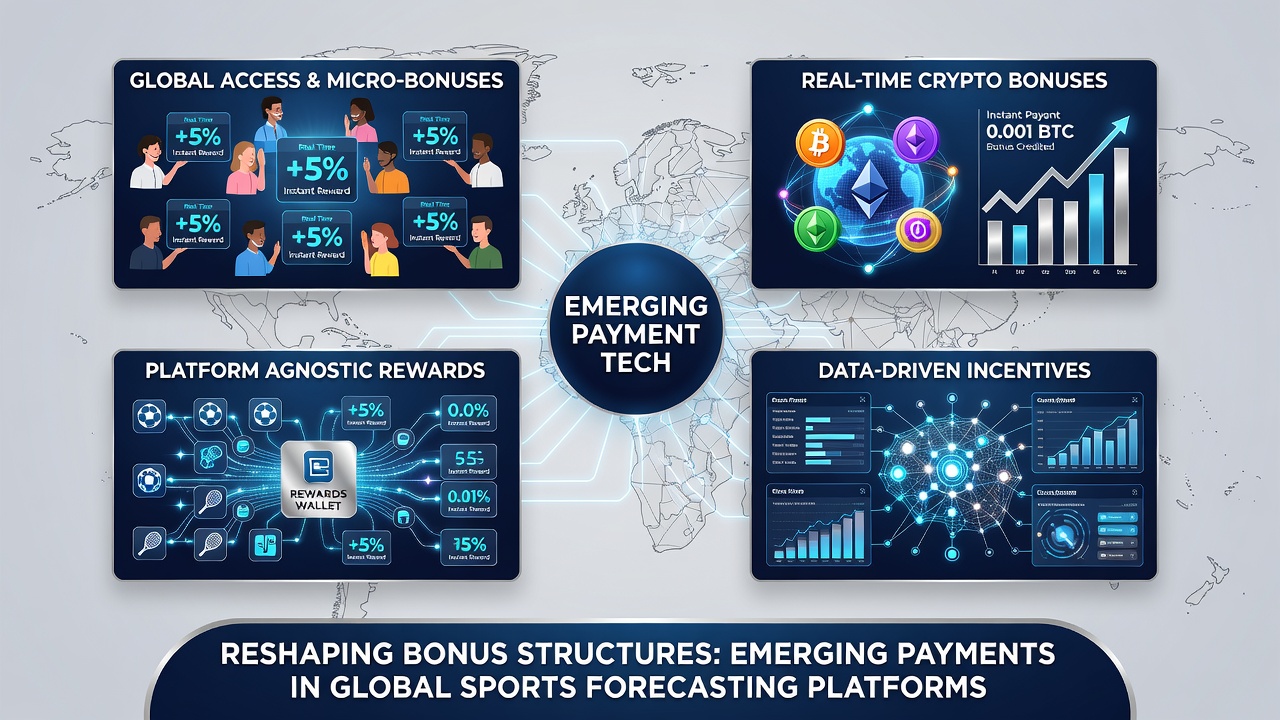
Central Bank Digital Currencies and Cross-Border Bonus Adjustments
Early pilots of central bank digital currencies in select jurisdictions have introduced new variables into bonus calculations because programmable features allow platforms to embed jurisdiction-specific rules directly into the currency itself, and this capability has led some operators to offer region-locked promotional credits that expire automatically if the funds leave the issuing currency zone. Researchers tracking adoption patterns across Latin American and Caribbean markets note that platforms accepting these digital currencies have shortened bonus validity periods while increasing the percentage of matched funds, a change attributed to the reduced risk of chargebacks and the lower cost of reconciliation. According to figures released by the Australian Securities and Investments Commission, wagering operators licensed in that country reported a 12 percent rise in cross-border bonus redemptions during the first half of 2026 after integrating digital currency options, prompting several firms to recalibrate their loyalty tiers to account for currency-specific compliance overhead.
Regulatory Reporting and Compliance-Driven Bonus Redesign
Enhanced transaction visibility provided by distributed ledger technology has encouraged regulatory bodies to request more granular data on promotional activity, and platforms have responded by restructuring bonuses so that reward amounts scale according to the transparency level of the chosen payment method. In markets overseen by the Alcohol and Gaming Commission of Ontario, operators now publish monthly summaries that break down bonus issuance by payment rail, and these disclosures have influenced competitors in neighboring provinces to adopt similar segmented reward models. The result is a landscape where users encounter different bonus percentages depending on whether they select a traceable stablecoin transfer or a conventional card transaction, with higher multipliers attached to methods that supply richer compliance metadata.
Conclusion
Worldwide sports forecasting platforms continue to align bonus structures with the capabilities of emerging payment technologies, producing reward systems that emphasize speed, traceability, and automated execution. These adaptations reflect ongoing changes in transaction infrastructure rather than isolated platform decisions, and the patterns observed through mid-2026 suggest further refinement will occur as additional jurisdictions introduce programmable currency options and standardized instant-settlement frameworks.