Exploring Variations in Odds Compilation Methods Across Mobile Applications for Athletic Events
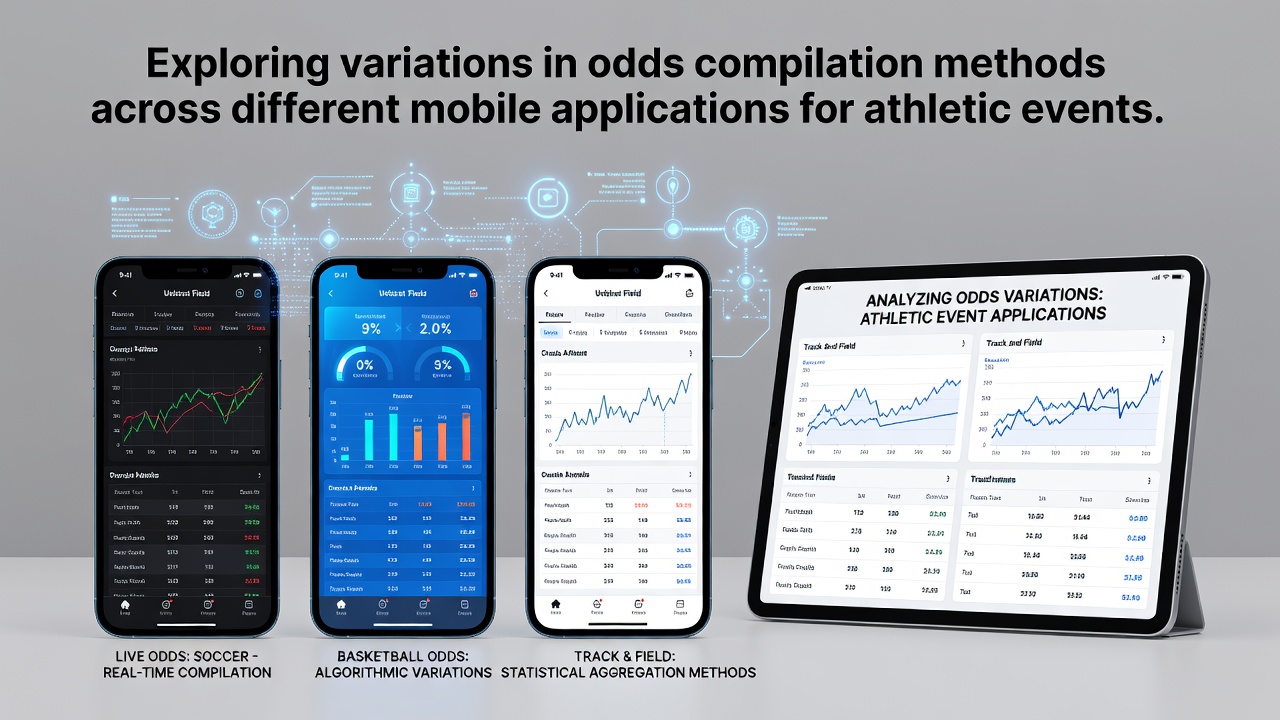
Odds compilation in mobile applications for athletic events relies on multiple technical approaches that differ by platform, region, and data integration strategy, and observers note that these methods continue to evolve through July 2026 as operators incorporate new data streams and regulatory requirements. Some applications build odds through proprietary statistical models that process historical performance data, player statistics, and environmental factors, while others aggregate feeds from external data providers before applying margin adjustments.
Core Compilation Techniques in Use
Statistical modeling forms one primary method where algorithms weigh variables such as team form, injury reports, and head-to-head records to generate initial lines, and data from sources like the Nevada Gaming Control Board shows consistent application of these models across major U.S. sportsbooks. Another approach involves real-time data integration from sensors and official league feeds that trigger automatic updates during live events, creating dynamic odds that shift with each play or substitution.
Hybrid systems combine automated calculations with human oversight, allowing traders to intervene when unusual betting patterns emerge or when external news affects event outcomes. Researchers have documented these hybrid models in platforms operating across multiple jurisdictions, where compliance teams review algorithmic outputs against local rules before final publication.
Regional and Platform Differences
Mobile applications serving North American markets often prioritize rapid updates tied to major league schedules, whereas European and Asian platforms may emphasize longer-term statistical trends for lower-profile athletic events. One study from the Australian Institute of Criminology highlighted how operators in Oceania integrate weather and venue-specific data more extensively than counterparts in other regions, resulting in noticeable line variations for outdoor sports.
Platform scale also influences method selection, since larger operators maintain in-house data teams that refine models daily, while smaller applications rely on third-party software providers for core calculations. These differences appear in how margins are applied, with some apps embedding variable margins that adjust by sport or market liquidity.

Impact of Data Sources and Technology
External data providers supply standardized feeds on player performance and event conditions, yet individual applications layer proprietary filters on top of these feeds to differentiate their offerings. As of July 2026, several platforms have adopted machine learning components that analyze betting volume patterns to recalibrate odds in real time, and figures from industry reports indicate wider adoption of these tools among operators handling high-volume athletic events.
Variations also arise from how applications handle edge cases such as postponed matches or rule changes, with some systems pausing lines automatically while others require manual review before resuming trading. Those who have examined multiple apps observe that the timing and frequency of these adjustments differ enough to produce measurable divergence in final odds across competing platforms.
Regulatory Influences on Methods
Regulatory frameworks in different jurisdictions shape which compilation techniques receive approval, and operators must align their models with requirements for transparency and fairness. Applications licensed in multiple regions often maintain separate calculation pipelines to satisfy local standards, leading to the same athletic event carrying distinct odds depending on the user's location and chosen app.
Industry organizations track these adaptations, noting that platforms serving international users frequently publish documentation on their data handling practices to maintain compliance across borders. This documentation reveals how certain apps prioritize audit trails for every odds change, while others focus on speed of dissemination.
Conclusion
Variations in odds compilation methods across mobile applications for athletic events stem from differences in data integration, technological tools, and regulatory environments, and continued development through July 2026 suggests these distinctions will persist as new athletic seasons unfold. Operators continue to refine their approaches while meeting the demands of users and oversight bodies in each market they serve.