Decoding Transaction Routing Patterns That Link Funding Sources to Strategy Shifts in Ongoing Match Predictions on Handheld Interfaces
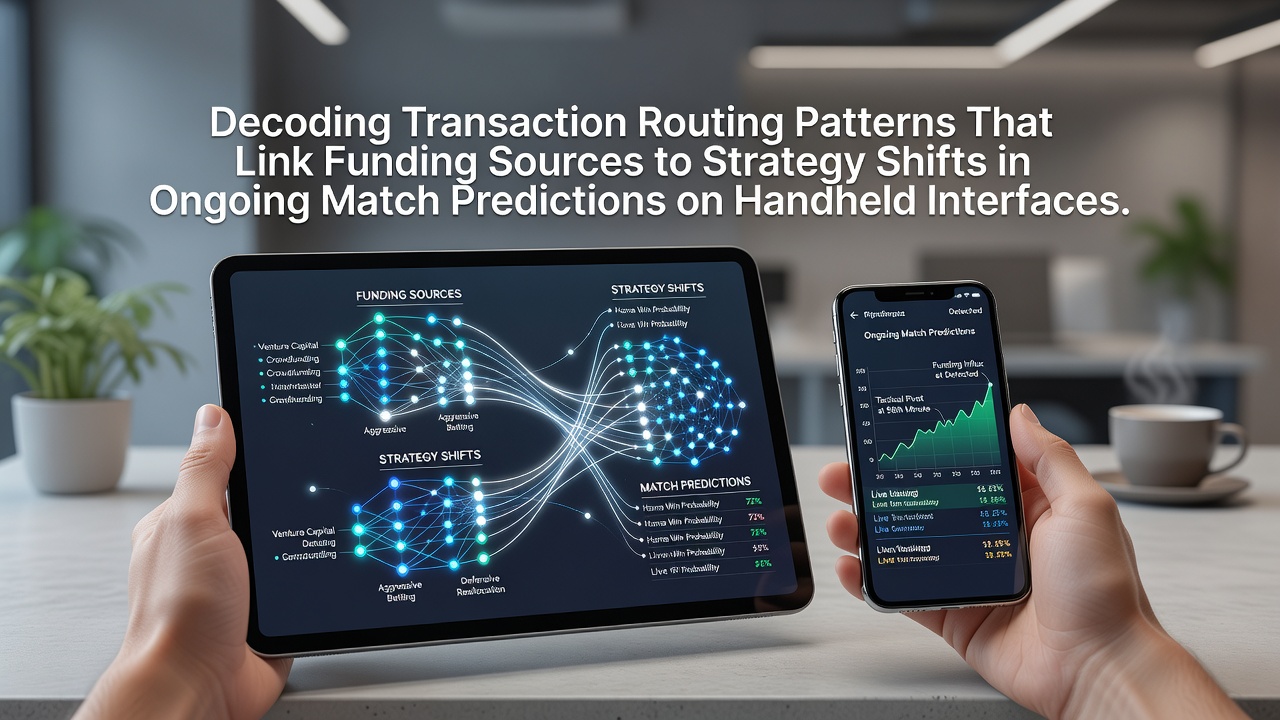
Transaction routing in mobile betting platforms follows defined pathways that connect funding sources such as digital wallets, bank transfers and card payments directly to user accounts on handheld interfaces, and these pathways have begun to reveal measurable connections to adjustments in betting strategies during live match predictions. Data from multiple platforms in early 2026 shows that routing sequences often determine how quickly funds become available for in-play wagers, which in turn influences timing decisions on odds that shift second by second. Observers tracking these flows note that certain funding routes complete verification steps in under ten seconds while others require additional confirmation layers that extend the window before a prediction can be placed.
Core Elements of Transaction Routing on Portable Devices
Handheld interfaces process deposits through layered protocols that prioritize speed and security compliance, yet the sequence of these layers varies by funding type and geographic region. E-wallet transfers typically bypass some verification checkpoints that card-based routes must complete, and this difference creates distinct windows during which bettors adjust their match prediction approaches. Research indicates that platforms record higher volumes of live wagers placed within thirty seconds of wallet-funded deposits compared with slower card routes, according to aggregated figures from state oversight bodies. The routing architecture also incorporates fallback mechanisms that redirect failed transfers to alternative processors, and these redirections have been linked to temporary pauses in betting activity that users later compensate for by increasing stake sizes once funds clear.
Patterns Connecting Funding Sources to Prediction Adjustments
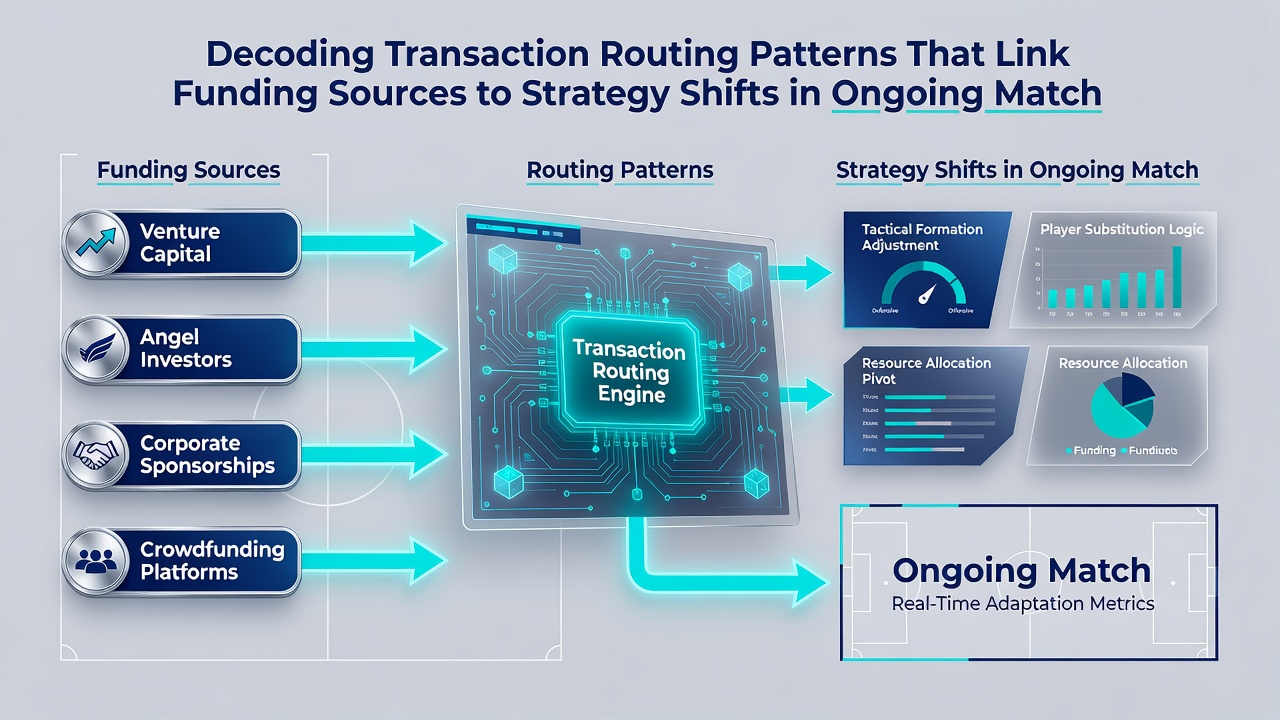
Analysis of transaction logs from multiple operators reveals recurring sequences where the origin of funds correlates with specific changes in prediction behavior during ongoing matches. Deposits routed through cryptocurrency processors frequently precede rapid-fire adjustments to underdog selections, while bank transfer routes more often precede conservative stake reductions when odds move against the initial prediction. These patterns emerge because routing speed affects the amount of real-time data a user can incorporate before committing a wager, and studies conducted by academic research teams have quantified the average time differential between funding types at approximately fourteen seconds. Figures from July 2026 tracking periods show that users whose funds arrive via faster routes execute an average of 2.3 additional strategy shifts per match compared with those using slower pathways.
Regional Variations in Routing Behavior and Strategy Response
Regulatory frameworks in different jurisdictions shape how transaction routes integrate with handheld prediction tools, and these differences produce observable variations in user behavior. Platforms operating under frameworks established by the New Jersey Division of Gaming Enforcement demonstrate tighter integration between instant funding routes and in-play adjustments, whereas operators following guidelines from the Australian Communications and Media Authority record longer average intervals between deposit completion and the first strategy shift. Cross-border comparisons compiled by the International Gaming Institute further illustrate that users in regions with streamlined wallet routing complete more prediction modifications during the final ten minutes of matches than users in areas where additional authorization steps remain mandatory.
Technical Infrastructure Supporting Real-Time Connections
Backend systems on betting platforms employ routing algorithms that map each funding source to specific account ledgers, and these algorithms update continuously to reflect network conditions on handheld networks. When congestion occurs on primary routes, traffic diverts to secondary processors, and data logs indicate that such diversions coincide with brief reductions in live prediction volume followed by compensatory increases once the original route stabilizes. Engineers maintaining these systems have documented that latency spikes above 800 milliseconds during routing often trigger automatic stake-size caps that users then navigate by switching prediction types mid-match. The infrastructure also logs metadata on device type and connection quality, which allows operators to correlate handheld performance metrics with subsequent changes in betting patterns.
Future Developments in Routing and Prediction Integration
Developments scheduled for late 2026 include expanded use of tokenized routing that further reduces verification times for select funding sources, and early tests suggest these changes will compress the interval between deposit and first strategy adjustment by an additional seven seconds on average. Industry reports compiled by research institutions project that handheld interfaces will incorporate predictive routing suggestions that alert users to the expected availability window for each funding type before they initiate a transfer. Such features aim to align transaction timing more precisely with live match dynamics, and preliminary data from pilot programs already shows measurable alignment between faster routes and more frequent mid-match prediction revisions.
Conclusion
Transaction routing patterns on handheld betting interfaces continue to demonstrate clear linkages between funding source characteristics and the timing plus frequency of strategy shifts during ongoing match predictions. These connections arise from differences in processing speed, regulatory requirements and network conditions that together determine how quickly users can respond to evolving odds. Continued monitoring by oversight bodies and research organizations will provide additional data on how routing refinements influence prediction behavior across regions and device types.