Analyzing Deposit Channel Variations and Their Ties to Dynamic Pricing Shifts on Portable Athletic Prediction Platforms
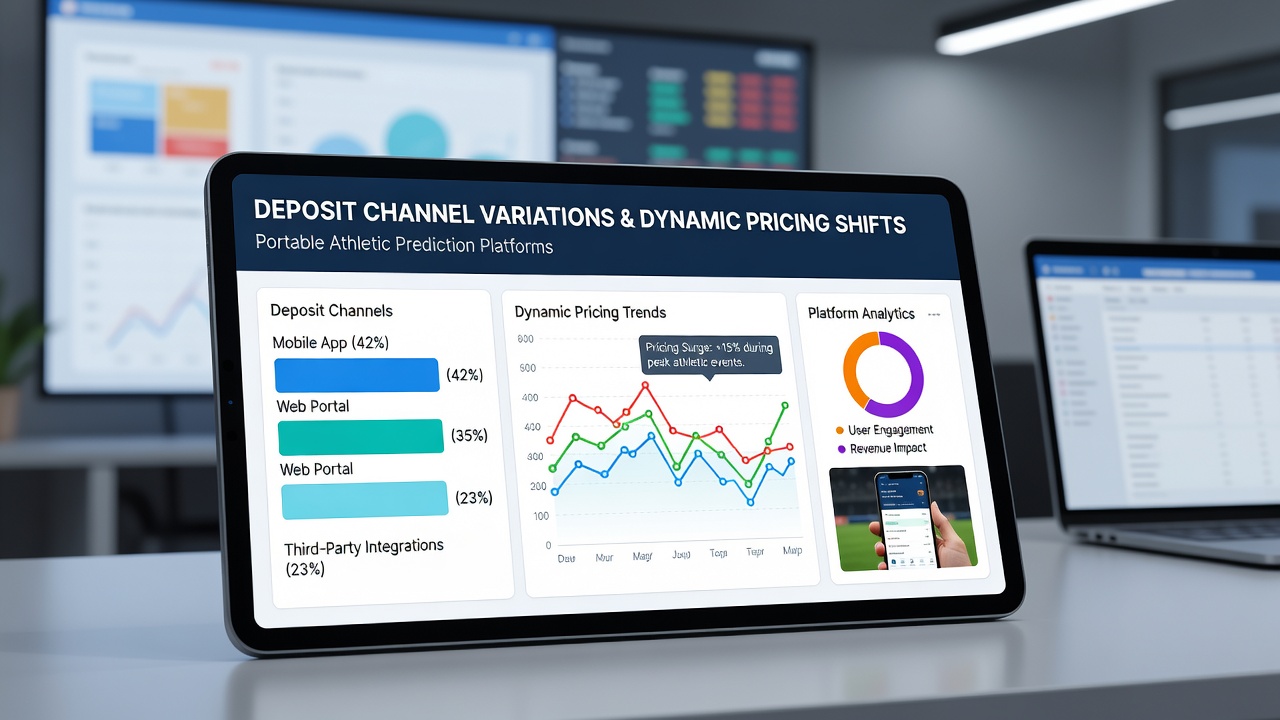
Portable athletic prediction platforms rely on multiple deposit channels that include credit cards, e-wallets, bank transfers, and cryptocurrency options, each carrying distinct processing speeds and fee structures that influence how operators adjust odds in real time. Data from mid-2026 indicates that shifts in these channels often coincide with changes in dynamic pricing models, where odds fluctuate based on incoming transaction volumes and user patterns across mobile networks.
Deposit Channel Landscape in Mobile Sports Platforms
Payment methods on these platforms vary widely by region and user preference, with credit card deposits accounting for a significant share in North American markets while e-wallets dominate in parts of Asia and Europe. Bank transfers tend to appear more frequently among users who place larger wagers, whereas cryptocurrency channels have gained traction in areas with regulatory support for digital assets. Observers note that each channel processes at different rates, which affects the timing of funds availability and subsequent betting activity that feeds into pricing algorithms.
Research conducted by university teams has tracked how slower channels such as wire transfers create temporary lags in deposit confirmation, leading platforms to recalibrate odds to manage risk exposure during those intervals. Faster methods like certain e-wallets allow immediate play, which in turn accelerates the flow of data that pricing engines use to detect market movements and adjust lines accordingly. Figures from June 2026 reveal that platforms operating across multiple jurisdictions report higher transaction volumes through channels with lower fees, prompting operators to refine their dynamic models to account for these preferences.
Dynamic Pricing Mechanisms on Athletic Forecasting Apps
Dynamic pricing on portable platforms involves continuous adjustments to odds based on real-time inputs including bet volume, user location, and available liquidity. These systems draw from aggregated transaction data to identify imbalances, then shift lines to balance exposure while maintaining margins. Experts have documented that pricing engines often incorporate signals from deposit activity, such as sudden spikes in funding through specific channels, which may indicate coordinated betting interest in particular events.
Connections Between Deposits and Pricing Adjustments
Variations in deposit channels create observable patterns that link directly to pricing shifts, as platforms monitor how different payment types correlate with bet placement timing and size. For instance, rapid inflows through cryptocurrency channels have been associated with quicker odds movements in high-profile matches, since these deposits clear almost instantly and enable users to act on emerging information. Slower channels produce more gradual effects, allowing operators additional time to assess risk before implementing changes.

Industry reports compiled in early 2026 highlight that platforms using integrated analytics detect correlations between deposit method popularity and localized pricing volatility. When a particular channel experiences elevated usage in one geographic area, pricing algorithms respond by tightening spreads on related markets to mitigate potential losses from informed betting. This process relies on historical datasets that map channel performance against event outcomes, helping operators anticipate how funding patterns may influence future adjustments.
Regional Data Patterns Observed in 2026
Records from Canadian regulatory filings show that deposit channel preferences shifted noticeably during the first half of 2026, with increased adoption of digital wallets coinciding with more frequent odds revisions on cross-border platforms. Similar trends appear in Australian markets where bank transfer usage remained steady, resulting in steadier but less volatile pricing behavior compared to regions favoring instant methods. European operators have reported parallel findings through trade association summaries, noting that multi-channel environments require more sophisticated models to handle the resulting data diversity.
Analysts at academic institutions have examined these interactions by studying transaction logs and pricing histories, finding that channel-specific fees sometimes factor into the cost structures that influence how aggressively platforms adjust lines. When fees rise on one method, users migrate to alternatives, which alters the velocity of incoming bets and prompts recalibrations in dynamic systems. These migrations create feedback loops that operators track through monitoring tools designed to maintain equilibrium across all available channels.
Technical Integration of Channel Data into Pricing Systems
Modern platforms integrate deposit monitoring directly into their pricing infrastructure, allowing algorithms to weigh transaction metadata alongside traditional betting indicators. This integration enables finer control over how quickly odds respond to funding surges or drops, particularly during live events where timing matters most. Data scientists working on these systems have developed frameworks that assign different weights to channels based on their historical reliability and speed, ensuring that pricing remains responsive without overreacting to isolated deposits.
Cross-platform comparisons from June 2026 demonstrate that operators with broader channel support achieve more stable pricing environments, because diversified deposit flows reduce dependence on any single method. Those relying on fewer options experience sharper swings when user behavior changes, which can lead to temporary imbalances until the system adapts. Regulatory bodies in various jurisdictions continue to review these practices to ensure transparency in how funding data informs consumer-facing odds.
Conclusion
Deposit channel variations maintain clear connections to dynamic pricing shifts on portable athletic prediction platforms, as evidenced by transaction patterns and algorithmic responses documented throughout 2026. Platforms continue to refine their approaches by incorporating channel-specific data into broader risk management strategies, resulting in more nuanced adjustments across mobile environments. Ongoing analysis from industry groups and research institutions supports further examination of these relationships as payment technologies evolve.