Adaptive Algorithms Shaping Reward Timing Across Portable Athletic Forecasting Platforms
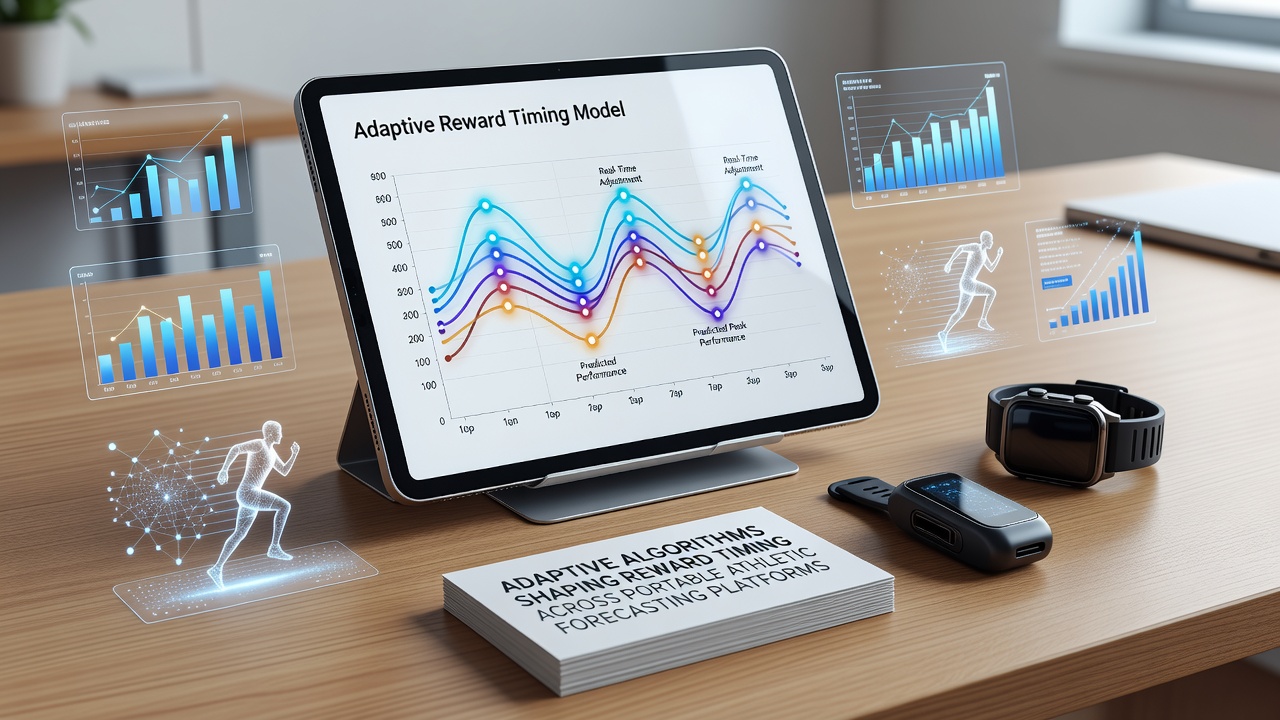
Portable athletic forecasting platforms have integrated adaptive algorithms that adjust reward distribution schedules based on user engagement patterns and prediction accuracy metrics, and these systems process real-time data from athletic events to optimize payout intervals. Researchers at institutions tracking digital sports analytics note that such adjustments occur through machine learning models which evaluate variables including user login frequency, historical forecast success rates, and event-specific volatility indicators.
Data from multiple platforms indicates that reward timing mechanisms now respond dynamically to user behavior clusters rather than following static calendars, while June 2026 reports from industry monitoring groups show increased deployment of these features across North American and European markets. Observers note that the shift allows platforms to align incentives with peak user activity windows, which in turn influences retention statistics tracked by app analytics firms.
Core Mechanisms Behind Algorithmic Adjustments
Adaptive systems rely on reinforcement learning frameworks that assign weights to prediction outcomes and modify reward release timing accordingly, and these frameworks draw input from sensor data generated by wearable athletic devices synced to mobile applications. Studies conducted by academic teams at the University of Sydney reveal that algorithms prioritize shorter reward cycles for high-accuracy forecasters while extending intervals for users exhibiting irregular engagement, creating differentiated timelines that reflect individual performance profiles.
Platform operators implement feedback loops which recalibrate every few hours during major athletic competitions, yet the underlying models incorporate longer-term trend analysis drawn from seasonal data sets. Those who have examined code repositories associated with these platforms report that edge computing resources on portable devices handle initial processing steps before transmitting aggregated insights to central servers for final timing decisions.
Impact on User Engagement Patterns
Engagement metrics compiled in early 2026 demonstrate measurable differences in session duration when reward timing adapts to individual usage rhythms, and analysts attribute part of this variation to the algorithms' ability to surface incentives during periods of elevated platform interaction. Portable devices facilitate continuous monitoring because they maintain persistent connections to cellular networks and allow seamless data exchange between forecasting interfaces and external athletic data feeds.
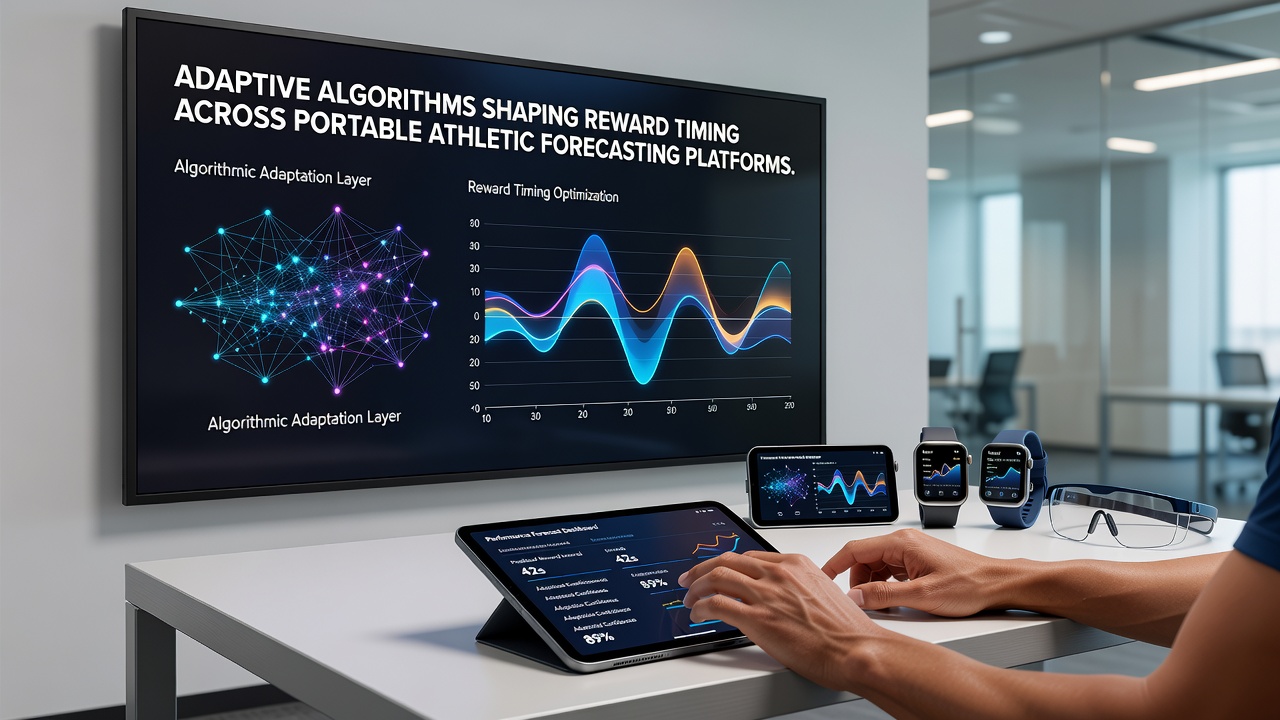
One documented case involved a platform that shortened reward intervals by 18 percent for users who consistently logged predictions within two hours of event starts, according to internal performance summaries released by the operator. Such modifications correlate with higher completion rates for multi-event forecasting challenges, although the precise causal relationships require further longitudinal examination by independent research groups.
Technical Infrastructure Supporting Real-Time Adaptation
Cloud-based orchestration layers manage the distribution of algorithmic updates to portable clients, ensuring that reward timing rules remain synchronized across operating systems and device generations. Engineers integrate these layers with application programming interfaces that pull live athletic statistics from official league sources, which then feed into predictive models responsible for timing calculations.
Security protocols embedded within the systems encrypt both user behavior data and reward parameters during transmission, and compliance frameworks established by regulatory bodies in Canada and Australia require documentation of how adaptive features avoid discriminatory outcomes across demographic segments. Technical audits conducted through 2026 have confirmed that most major platforms maintain audit trails logging every timing adjustment event.
Regional Deployment Trends Observed in 2026
North American platforms adopted adaptive reward timing at a faster rate than their counterparts in Asia-Pacific regions during the first half of 2026, according to comparative analyses published by the Asia-Pacific Gambling Association. European operators meanwhile focused on integrating these algorithms with existing responsible gaming modules that monitor play intensity alongside reward delivery schedules.
Portable device penetration rates influence rollout speed because older hardware sometimes lacks the processing capacity needed for on-device model inference, prompting some providers to maintain hybrid cloud-edge configurations. Figures released by market research firms indicate that over 65 percent of active forecasting applications now include at least one adaptive reward component calibrated to user-specific data streams.
Conclusion
Adaptive algorithms continue to refine reward timing processes across portable athletic forecasting platforms through iterative model updates and expanded data integration capabilities. Industry reports from June 2026 highlight ongoing refinements in how these systems balance user retention objectives with operational constraints imposed by device limitations and regulatory requirements. Continued observation by academic and industry researchers will determine the long-term effects on forecasting accuracy distributions and platform sustainability metrics.